
A receding hairline is often one of the first noticeable signs of male pattern baldness. For many men, it begins with thinning around the temples before gradually moving farther back over time. The good news is that a receding hairline doesn’t always mean you’re destined to go bald. In many cases, early treatment can slow progression and even stimulate regrowth. At Hair Loss Partner we will always share what works.
In this guide, we’ll explain what causes a receding hairline, whether it’s possible to regrow lost hair, and which treatments have the strongest evidence behind them.
What Is a Receding Hairline?
A receding hairline occurs when hair at the front of the scalp and temples gradually becomes thinner and retreats backward. This pattern is most commonly associated with androgenetic alopecia, also known as male pattern baldness.
While some changes to the hairline are a normal part of aging, rapid or noticeable recession may indicate ongoing hair loss that can worsen without treatment.
What Causes a Receding Hairline?
Several factors can contribute to a receding hairline, including:
- Genetics
- Hormonal changes
- Dihydrotestosterone (DHT) sensitivity
- Aging
- Chronic stress
- Nutritional deficiencies
- Smoking
- Certain medical conditions or medications
For most men, genetics and DHT sensitivity are the primary causes.
Can You Actually Regrow a Receding Hairline?
The answer is yes—in some cases.
Whether regrowth is possible depends on how long the hair follicles have been inactive.
Hair follicles generally progress through three stages:
- Healthy follicles: Hair grows normally.
- Miniaturized follicles: Hair becomes thinner and shorter but may still be capable of producing healthy hair.
- Dormant or scarred follicles: Hair growth may no longer be possible without surgical intervention.
The earlier you begin treatment, the greater the chance of preserving and thickening existing hair.
Treatments That May Help Regrow a Receding Hairline
1. Minoxidil
Minoxidil is one of the most widely studied over-the-counter hair loss treatments.
It works by helping extend the hair growth cycle and improving blood flow around hair follicles. Some users experience thicker hair and regrowth, particularly when treatment begins early.
Results often become noticeable after three to six months of consistent use.
2. Finasteride
Finasteride is a prescription medication that lowers DHT levels, the hormone primarily responsible for male pattern baldness.
Clinical studies have shown that it can slow hair loss and help many men maintain or improve hair density. However, it may not be appropriate for everyone, and potential side effects should be discussed with a healthcare professional.
3. Microneedling
Microneedling uses tiny needles to create controlled micro-injuries in the scalp.
Some research suggests that combining microneedling with topical treatments like minoxidil may improve results compared with using minoxidil alone.
Many people perform treatments once a week using a dermaroller or a professional microneedling device.
4. Low-Level Laser Therapy (LLLT)
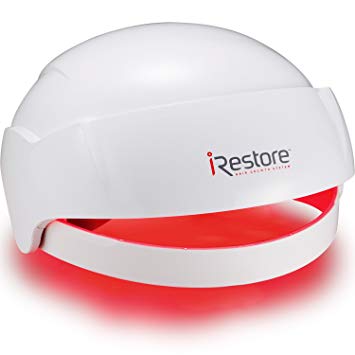
Laser caps and laser combs use low-level light therapy to stimulate hair follicles.
Some studies suggest that consistent use may increase hair density in certain individuals, particularly when combined with other treatments.
5. Hair Transplant Surgery
If the hairline has receded significantly and follicles are no longer producing hair, a hair transplant may provide the most reliable long-term solution.
Modern FUE and DHI procedures can create natural-looking hairlines using your own healthy donor hair.
Natural Ways to Support Hair Growth
Natural methods are unlikely to reverse advanced male pattern baldness on their own, but they may help support overall scalp and hair health.
These include:
- Eating a balanced diet with adequate protein
- Correcting iron or vitamin D deficiencies when present
- Managing stress
- Avoiding smoking
- Gentle scalp massage
- Maintaining good sleep habits
Remember that supplements should only be used when appropriate and are not guaranteed to regrow hair.
How Long Does Hair Regrowth Take?
Hair grows slowly, so patience is essential.
A typical timeline looks like this:
- 1–2 months: Little visible change.
- 3–4 months: Reduced shedding and early thickening may appear.
- 6–9 months: Many people begin noticing meaningful improvements.
- 12 months: Full results from medical treatments often become clearer.
Stopping treatment may allow male pattern hair loss to continue.
When Should You See a Doctor?
Consider speaking with a dermatologist or other qualified healthcare professional if:
- Hair loss begins suddenly.
- You notice patchy bald spots.
- Your scalp becomes painful, inflamed, or develops sores.
- Hair loss is accompanied by other symptoms such as fatigue or unexplained weight changes.
These may indicate causes other than typical male pattern baldness.
Frequently Asked Questions
Can a receding hairline grow back naturally?
If the hair loss is caused by temporary factors such as stress or illness, some regrowth may occur naturally. However, hairlines receding due to male pattern baldness generally require treatment to slow progression or encourage regrowth.
Is it too late to treat a receding hairline?
Not necessarily. Even if your hairline has receded, many miniaturized follicles may still respond to treatment. Earlier intervention generally leads to better outcomes.
What is the best treatment for a receding hairline?
There is no single solution that works for everyone. Many dermatologists recommend a personalized approach based on the cause of hair loss. Depending on the individual, options may include minoxidil, finasteride, low-level laser therapy, microneedling, or hair transplantation.
Final Thoughts
A receding hairline doesn’t automatically mean permanent baldness. For many people, early action can slow hair loss, preserve existing hair, and in some cases stimulate noticeable regrowth.
The key is identifying the underlying cause and choosing treatments backed by scientific evidence rather than relying on miracle cures or products that promise unrealistic results.
If you’re concerned about your hairline, don’t wait until significant thinning has occurred. Acting early often provides the best opportunity to maintain the hair you have and improve your long-term results.
At HairLossPartner.com, we’re committed to providing evidence-based information to help you understand your options and make informed decisions about hair restoration.
Check out our ebook for our #1 ways to regrow your hair naturally! Click Here